PROCESS EQUIPMENT
Automation & Quality Monitoring
Control systems coordinate process stages, protect equipment and record operating conditions. Product release still requires a defined quality assurance program.

YTC / PHOTOGRAPHIC RECORD
Controls connected to analytical evidence
Online measurement requires a defined sampling point, sample conditioning, calibration procedure and response to out-of-specification results. An instrument reading alone is not a product-release certificate.

INSIDE THIS SUBSYSTEM
How it works in your plant.
How it works
We connect operating controls with quality measurements so that the plant can identify when product is ready for its intended destination. The agreed logic defines production, quality hold and release conditions.
System interfaces
Analyzer signals, process measurements and product-routing commands have different roles. Their response times, fault behavior and responsibilities are agreed alongside any laboratory release checks.
Operation & maintenance
Review alarms and quality trends with operating events. Test agreed responses during commissioning and retain the records operators need to investigate a hold, a failed measurement or an interrupted run.
What we need for selection
Product acceptance limits; measurement coverage; sample delay; hold and release rules; laboratory responsibilities; required records and interfaces.
We confirm the equipment arrangement, utilities, inspection documents and acceptance criteria in your project proposal.
EXPLORE THE SYSTEM
Related process equipment.
PROCESS EQUIPMENT
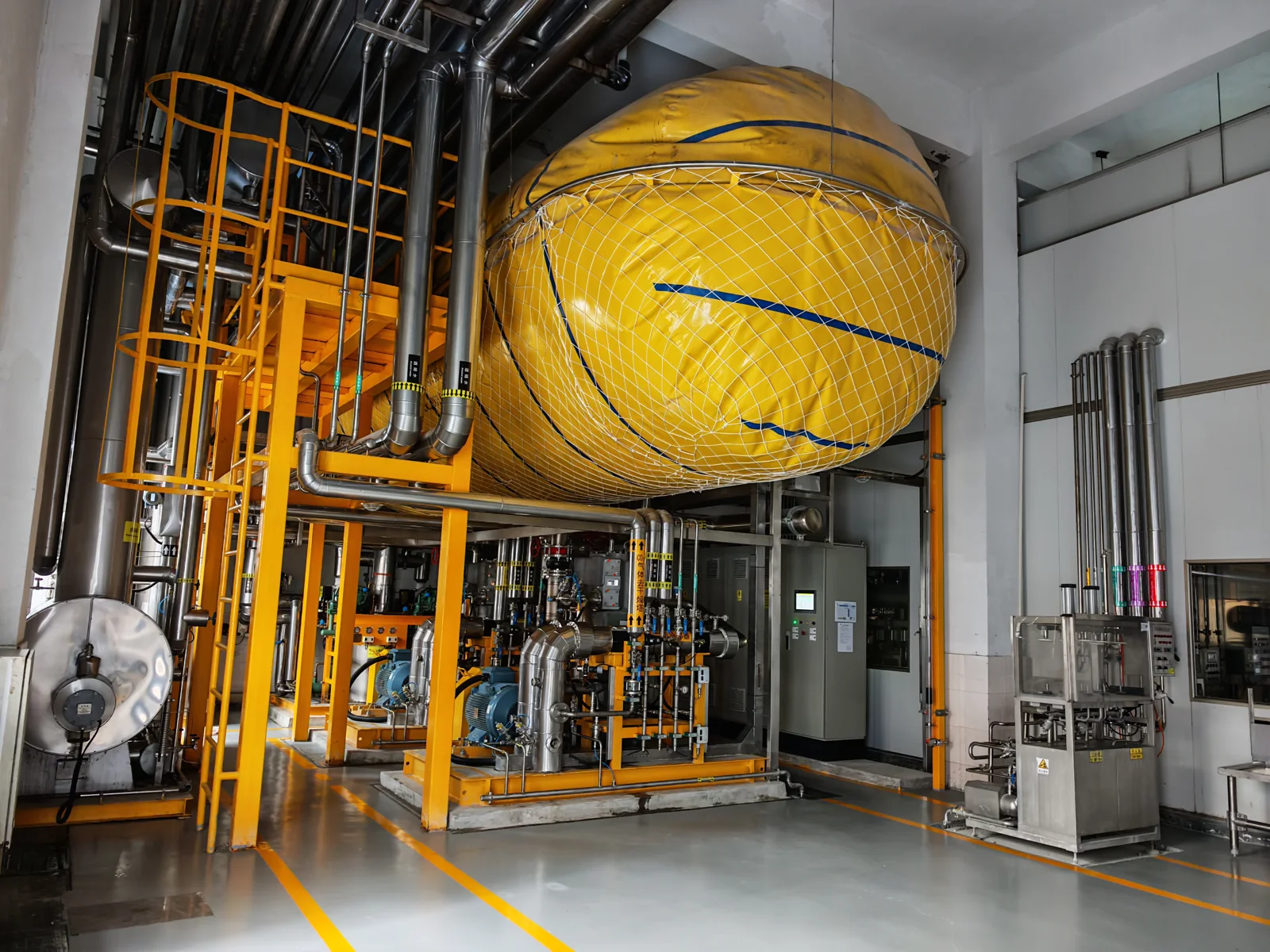
Gas collection & buffering
A collection system connects the source to the recovery train and smooths short-term variation.
Explore equipment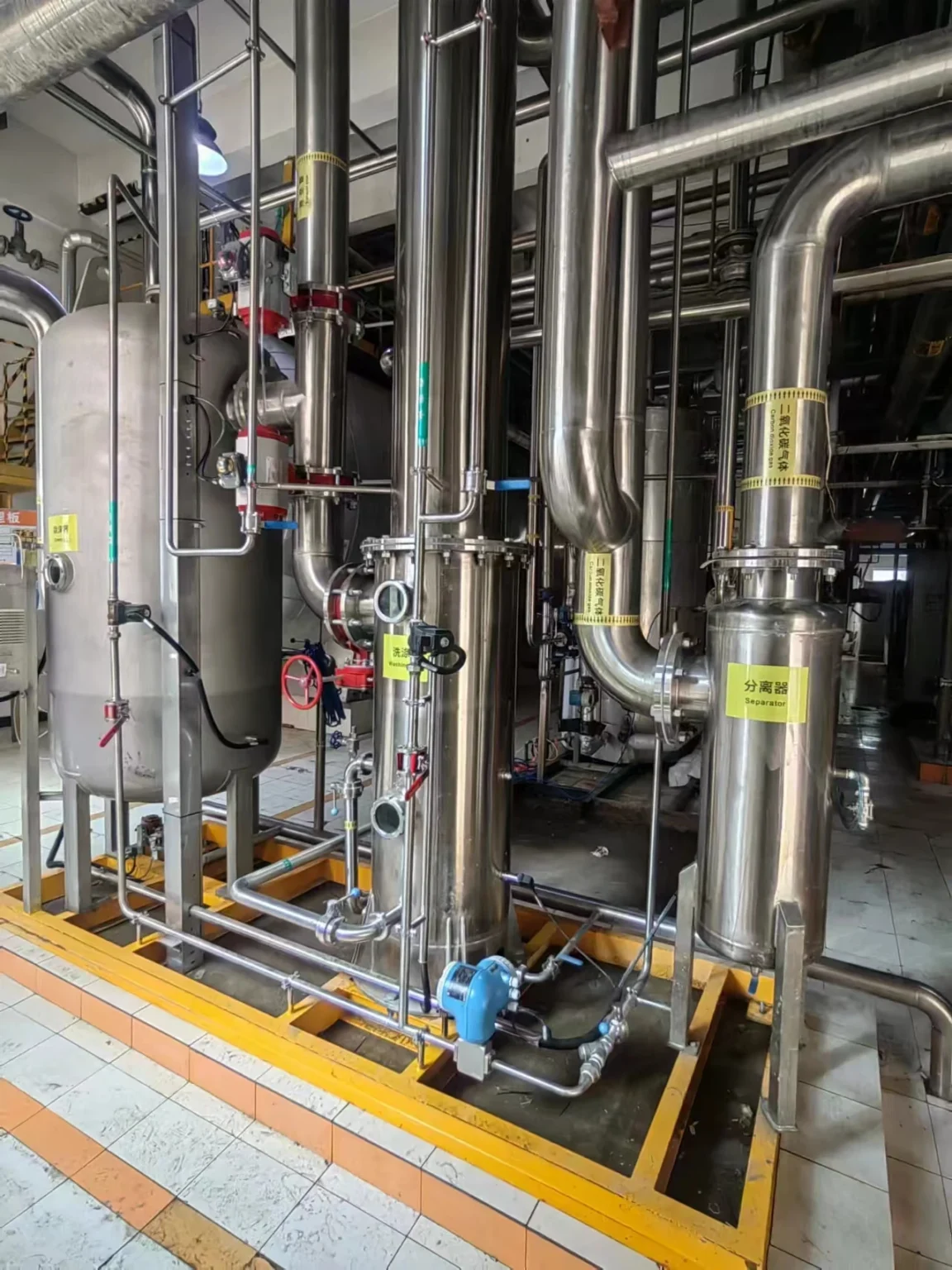
PROCESS EQUIPMENT
CO₂ washing & pretreatment
Washing and pretreatment address selected contaminants and entrainment before downstream processing.
Explore equipment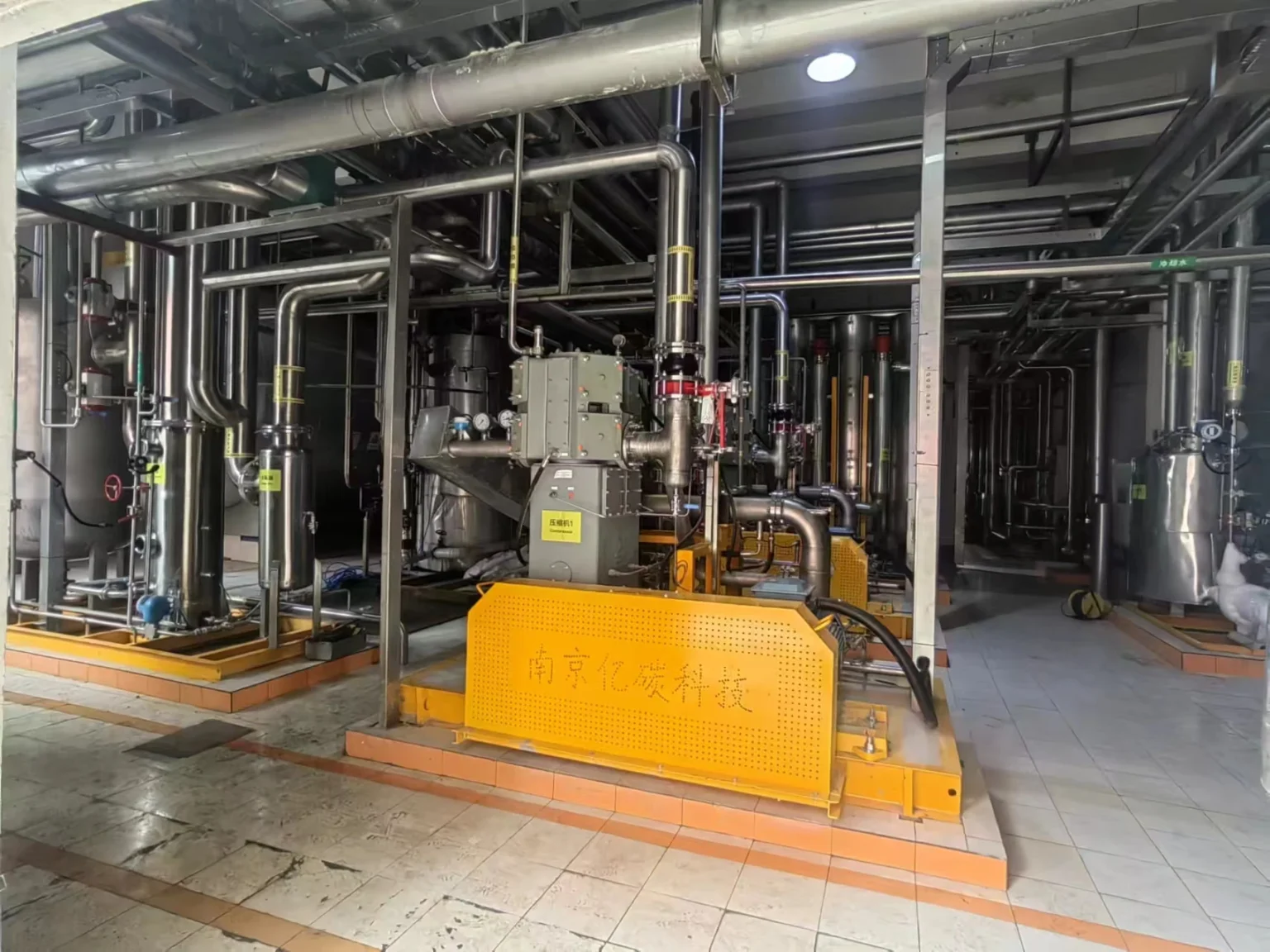
PROCESS EQUIPMENT
CO₂ compression systems
Compression establishes pressure for the selected purification and liquefaction route.
Explore equipmentTECHNICAL INSIGHT
Understand the design decisions.
Coordinate equipment and product decisions
An automation system connects the operating states of collection, compression, treatment, refrigeration and storage. A downstream unit that is not ready may need to prevent feed admission upstream. A change in gas quality may require a different response from a loss of cooling. The control philosophy should describe these relationships so operators understand how the plant behaves during both normal production and interruptions.
Quality monitoring is one input to that philosophy. Selected instruments can support trending, admission decisions or diversion, depending on the agreed design. An instrument reading does not automatically establish a complete product-release decision unless the quality plan assigns that function and covers the required measurements.
Record useful operating context
A historian is most valuable when it records measurements with the context needed to interpret them. Relevant examples include source status, production rate, selected quality readings, alarm events and calibration or maintenance status. A concentration trend without flow or operating state can be difficult to use when investigating a quality excursion.
Alarm selection should help operators respond to meaningful conditions. Priorities, acknowledgements and the expected response belong in the documented operating philosophy. Data retention and export requirements should be agreed with the buyer so commissioning and later performance reviews can use the available records.
Specify access, maintenance and handover
Automation procurement should include operator screens, language requirements, user permissions, software backups, drawings and the agreed support arrangements. Remote support, where included, needs authorized access and a clear division of responsibility. It should not rely on an undocumented permanent connection.
For our proposal, identify the host site’s control interfaces, required records and operator organization. Agree which quality signals are measured online and which remain part of laboratory or other verification. This connects the control package to the plant’s operating and quality objectives, instead of treating a touchscreen or a list of instruments as proof of complete automation.
Questions for the technical review
Does online monitoring replace laboratory testing?
Only the analytes and conditions covered by the online methods are monitored. The product quality plan defines whether additional laboratory verification is required.
What should be included at control-system handover?
The agreed drawings, software and configuration backups, operating descriptions, access roles, training and support information should match the delivered system.
START WITH YOUR SOURCE
Turn your CO₂ source into a defined project.
Send your gas analysis, flow profile, product target and project location. We will help connect the technical questions with a practical supply scope.
CONTINUE YOUR TECHNICAL REVIEW
Connect the specification with the evidence.
Relevant references
Review source, nominal capacity and the recorded supply scope.
Explore ↗ENGINEERING TOOLAssess your CO₂ source
Estimate recoverable quantity using visible assumptions.
Explore ↗BUYING GUIDEPrepare your specification
Define feed conditions, quality, utilities and acceptance before comparing proposals.
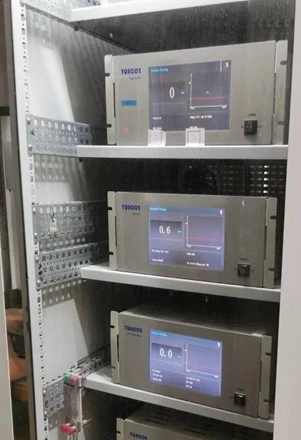
Explore ↗Original instrument photograph
The enhanced image is for presentation. Use the original photograph and instrument documentation for labels and technical details.