PROCESS EQUIPMENT
Defoaming & CO₂ Washing System
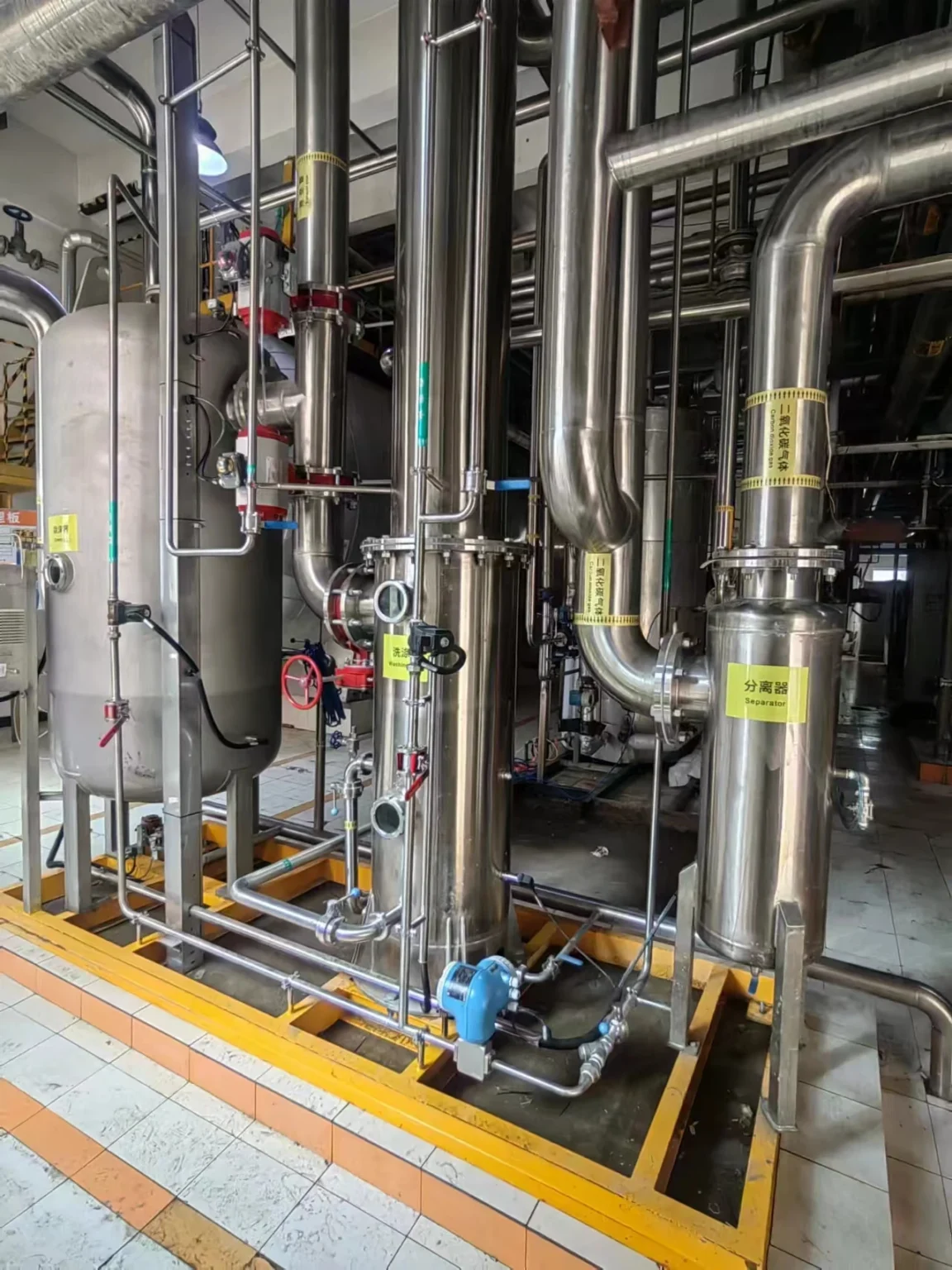
Washing and pretreatment address selected contaminants and entrainment before downstream processing. The treatment route depends on the gas source.
INSIDE THIS SUBSYSTEM
How it works in your plant.
How it works
We combine foam and entrained-liquid separation with gas washing where the source requires it. Contact with suitable wash water can reduce water-soluble contaminants such as ethanol; washing is not a substitute for drying or final purification.
System interfaces
The washer receives collected gas and prepares it for compression. Its liquid separation, drainage and carryover control must match the inlet condition required by the next stage.
Operation & maintenance
Monitor water supply, circulation and discharge quality as specified for the selected arrangement. Inspect foam and liquid carryover, pressure loss and accessible internals; reuse water only within the agreed quality plan.
What we need for selection
Gas flow and temperature; foam or liquid load; soluble contaminants; wash-water quality and availability; discharge arrangements.
We confirm the equipment arrangement, utilities, inspection documents and acceptance criteria in your project proposal.
EXPLORE THE SYSTEM
Related process equipment.
PROCESS EQUIPMENT
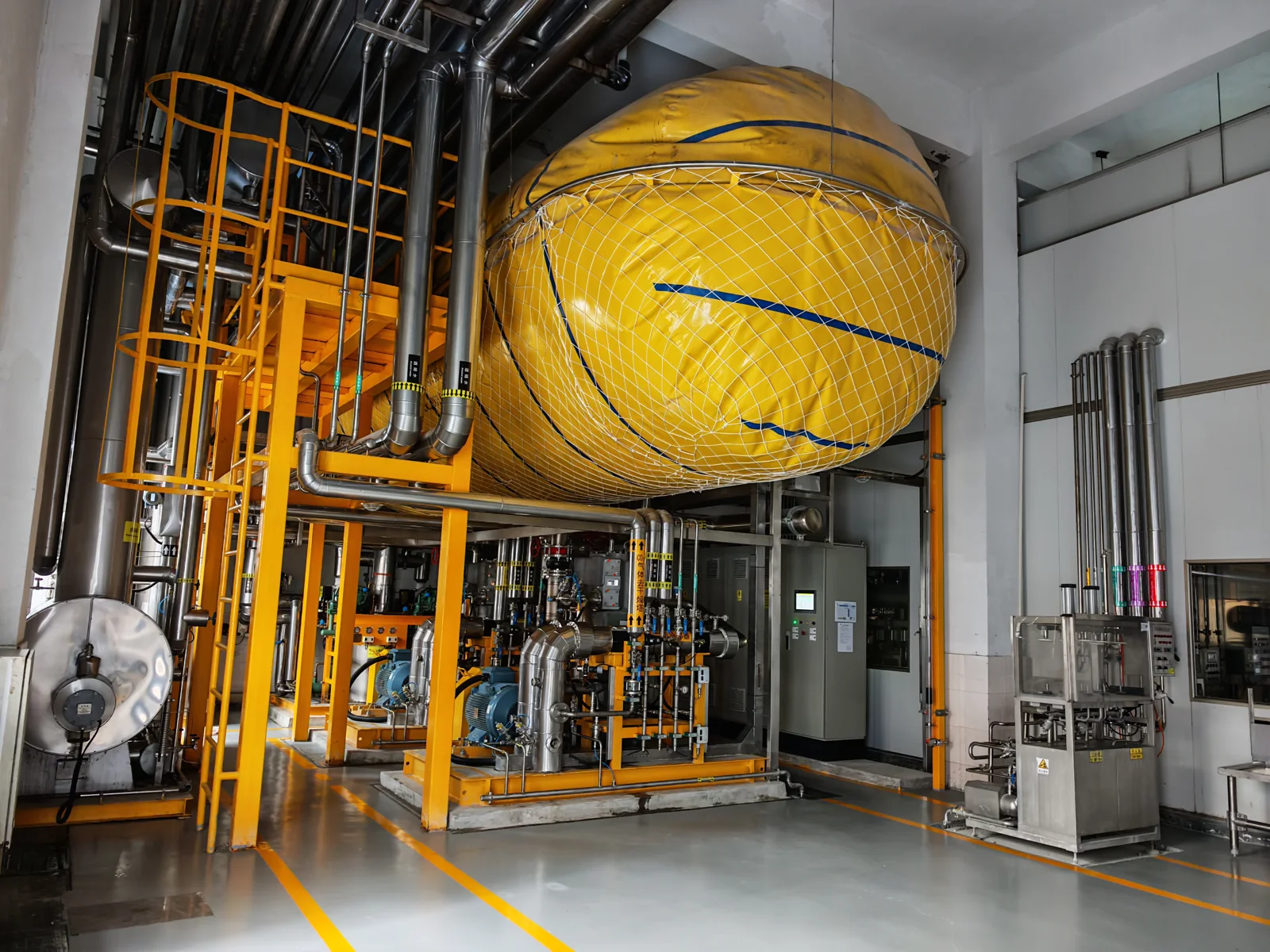
Gas collection & buffering
A collection system connects the source to the recovery train and smooths short-term variation.
Explore equipment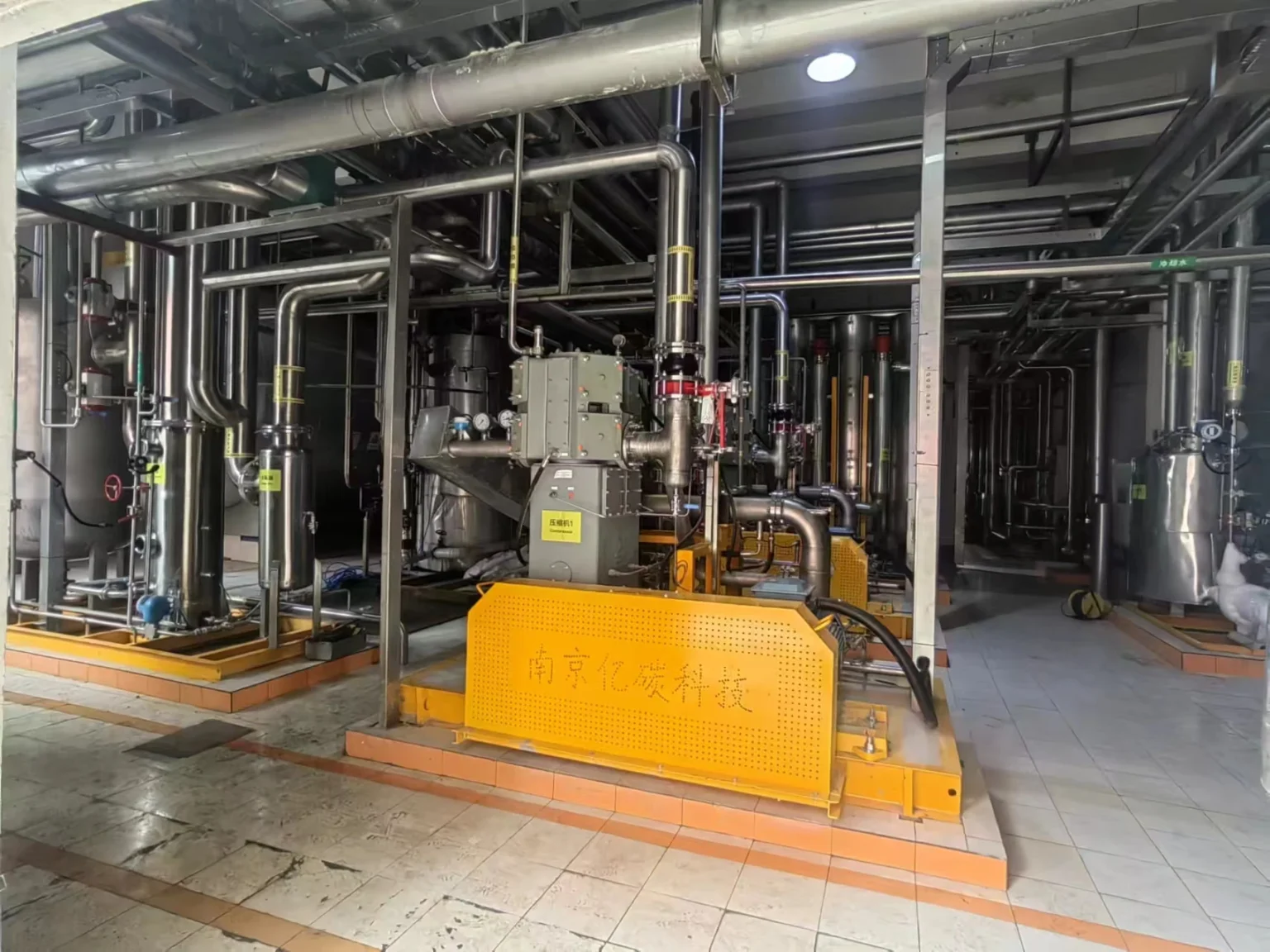
PROCESS EQUIPMENT
CO₂ compression systems
Compression establishes pressure for the selected purification and liquefaction route.
Explore equipment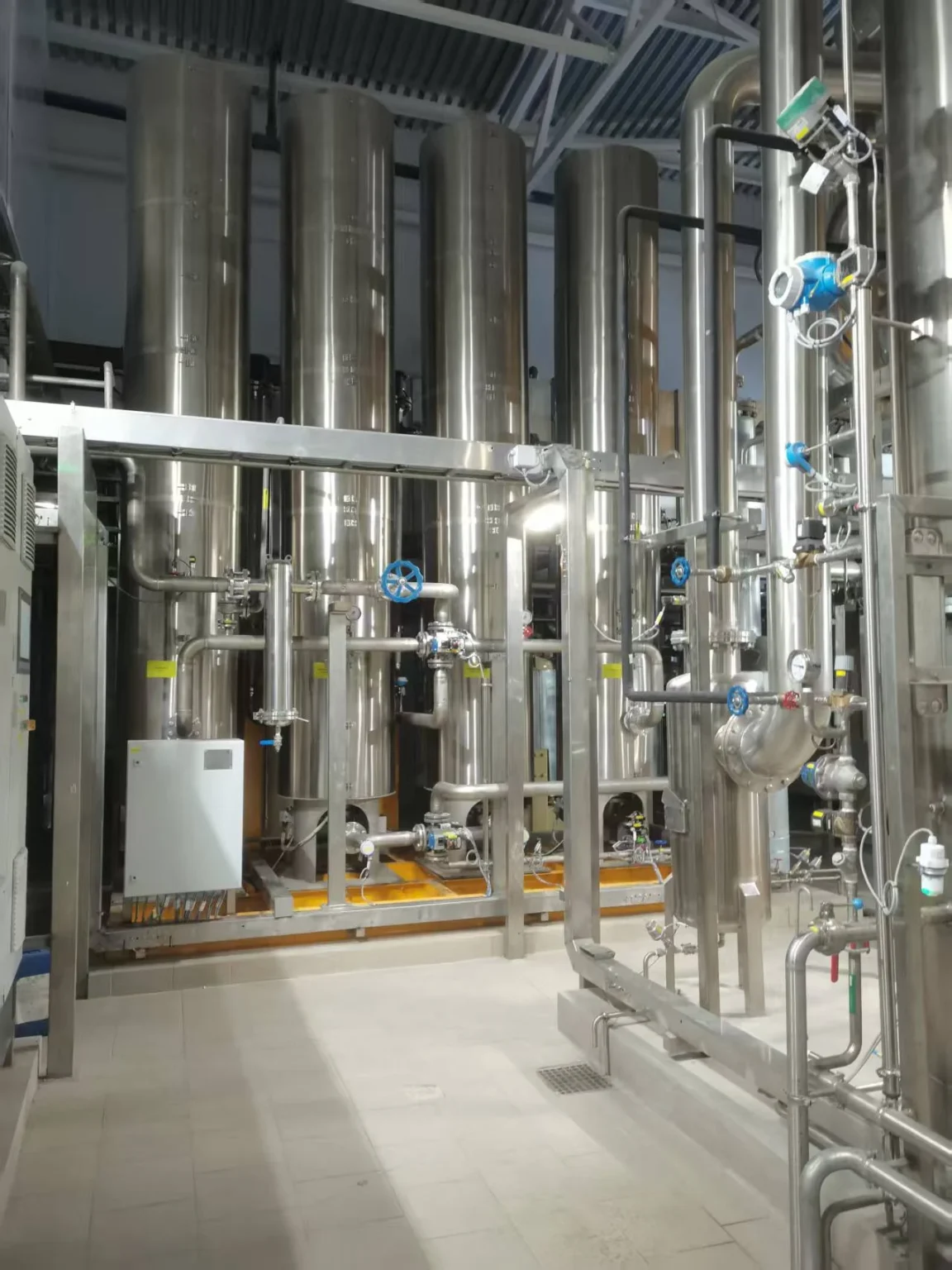
PROCESS EQUIPMENT
CO₂ adsorption & drying
Drying controls water before cold processing and product delivery.
Explore equipmentTECHNICAL INSIGHT
Understand the design decisions.
Define a contaminant-removal duty
CO₂ washing is a gas-treatment operation with a defined feed and removal duty. It may reduce selected soluble compounds or entrainment before compression and subsequent purification. Its performance depends on the compounds involved, gas and liquid contact, temperature, flow and the condition of the wash medium. A description such as water washing does not establish a universal outlet quality.
The source analysis should identify both the contaminants expected in normal operation and credible changes. Fermentation gas, for example, can bring a different organic load and liquid carryover pattern from a chemical by-product stream. The selected arrangement should explain what it removes and what remains for downstream treatment.
Prevent the wash stage from creating a new problem
The quality and management of the wash medium affect the gas. Material compatibility, liquid separation and the potential for carryover require attention. The downstream compressor or adsorbent should receive gas within its inlet requirements, rather than absorb uncontrolled liquid from an earlier stage.
A complete scope includes the liquid side of the process: supply quality, circulation where applicable, makeup, discharge and maintenance access. Waste handling is an interface to the site and needs to be included in the project discussion. A low equipment price that omits these duties can obscure the installed scope.
Verify the stage as part of the train
Assess washing together with cooling, separation, drying and purification. If a wash stage changes the moisture load or temperature, those changes affect the next unit. Performance verification should therefore identify sampling points and the actual flow and contaminant loading during the test.
For our selection discussion, share the source process, relevant compound analysis, entrainment or foam observations, available water quality and discharge arrangements. This information allows the wash duty and equipment interfaces to be defined before fabrication. It also helps distinguish a useful pretreatment stage from a generic vessel added without a clear separation purpose.
Questions for the technical review
Will washing make CO₂ food grade?
Washing can perform a particular pretreatment duty. Food-use suitability requires the complete qualified source, treatment, testing and handling chain.
Why does water quality belong in an equipment inquiry?
The wash medium contacts the gas and affects treatment performance, carryover and liquid-side maintenance. Its quality and availability are part of the design basis.
START WITH YOUR SOURCE
Turn your CO₂ source into a defined project.
Send your gas analysis, flow profile, product target and project location. We will help connect the technical questions with a practical supply scope.
CONTINUE YOUR TECHNICAL REVIEW
Connect the specification with the evidence.
Relevant references
Review source, nominal capacity and the recorded supply scope.
Explore ↗ENGINEERING TOOLAssess your CO₂ source
Estimate recoverable quantity using visible assumptions.
Explore ↗BUYING GUIDEPrepare your specification
Define feed conditions, quality, utilities and acceptance before comparing proposals.
Explore ↗