
YTC PROJECT REFERENCE
COFCO Mohekou Phase I: 50,000 t/y fermentation CO₂ recovery
COFCO Biotechnology’s Anhui Mohekou plant is a major reference in our ethanol fermentation portfolio.

YTC / PHOTOGRAPHIC RECORD
Equipment delivery and installation

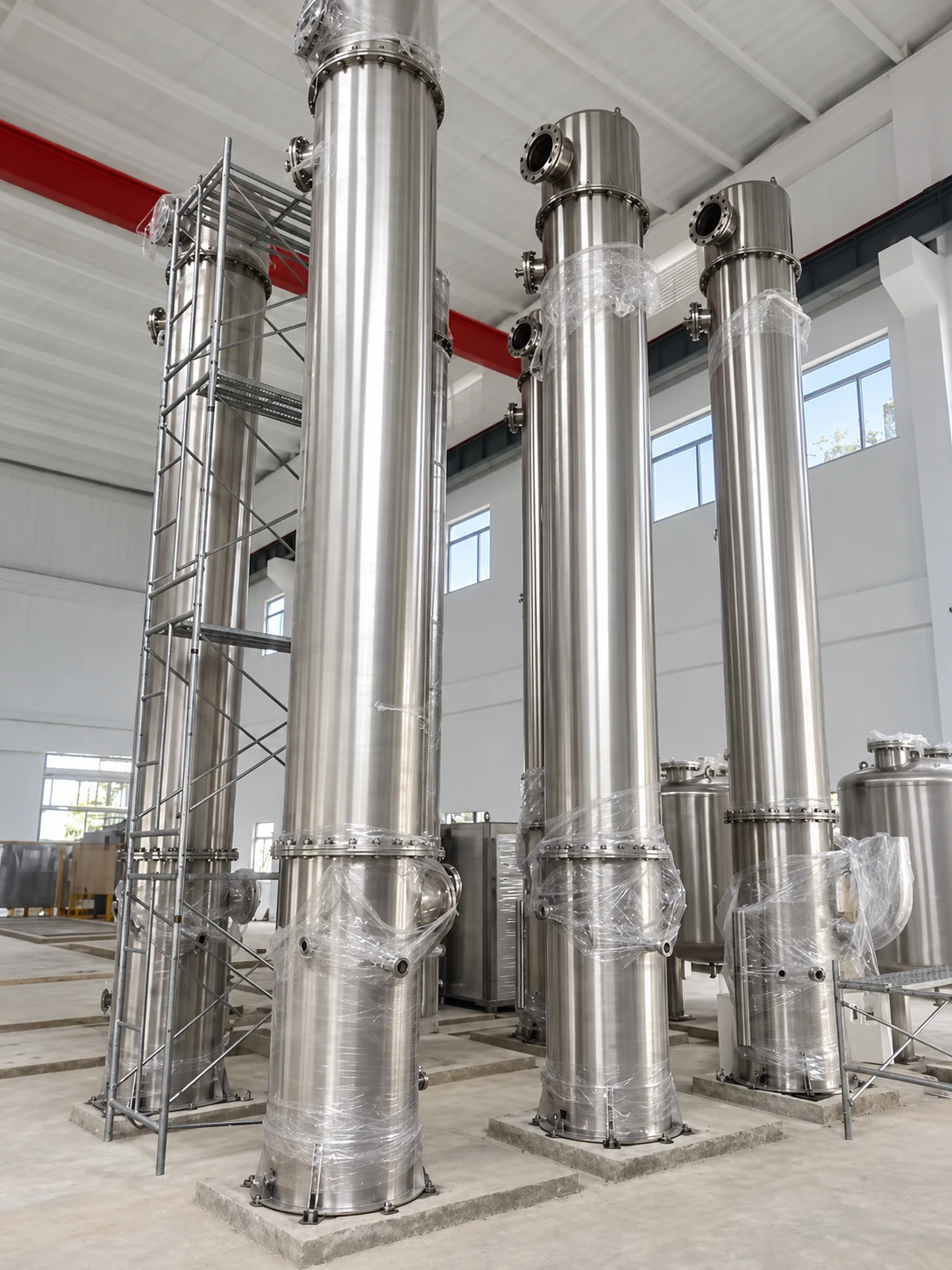
| Reference element | Recorded basis |
|---|---|
| Source / application | Ethanol & distillery |
| Product specification | High-purity food-grade, purity ≥99.998% |
| Record IDs | 88 |
A substantial first-stage recovery reference
COFCO Biotechnology’s Anhui Mohekou plant is a major reference in our ethanol fermentation portfolio. The current project database records an EPC CO₂ recovery system with a nominal annual capacity of 50,000 tonnes and a high-purity food-grade specification of at least 99.998%. The corporate brochure presents this installation as the earlier reference alongside the subsequent 150,000 t/y system at Mohekou. The two records demonstrate experience at materially different production scales within a large fermentation business.
The source documents associate this first-stage reference with 2020 and 2021. It is therefore presented as a 2020/2021 project reference, without choosing an unsupported commissioning date. Its 50,000 t/y capacity is a design reference rather than a statement of annual measured output.
Why fermentation gas creates a valuable opportunity
For an ethanol producer, the recovery opportunity begins with the fermentation schedule. CO₂ generation follows the biological process, while liquid-product dispatch follows customer demand and transport availability. A recovery plant must connect these two operating patterns. Gas collection, feed conditioning and the liquid-storage interface should be considered together when evaluating a project of this scale.
Annual capacity alone does not define the required compressor or liquefaction duty. The engineering basis also needs an hourly flow profile, planned operating hours, collection efficiency and realistic maintenance allowances. This is particularly relevant when comparing a seasonal ethanol operation with a continuously available gas source.
Engineering the complete production route
The documented EPC recovery scope makes Mohekou a useful reference for customers seeking responsibility across the integrated system. In a comparable fermentation application, we develop the route from gas collection and conditioning through compression, purification, liquefaction and storage interfaces. The selected treatment stages depend on the incoming gas analysis and the agreed product specification.
Fermentation streams can contain moisture, entrained liquid and volatile organic compounds. Those components influence washing, separation, adsorption and regeneration duties. Equipment sizing should therefore use composition and variability data, not CO₂ percentage alone. Utility availability, access for servicing and connections to the operating ethanol plant also shape the layout.
A product specification that supports the market
The current master register states a food-grade purity target of at least 99.998%. For a new project, the purchase specification should also identify oxygen, moisture, sulfur species, hydrocarbons and any source-specific contaminants relevant to the intended customer. A headline purity figure does not replace this impurity schedule.
The acceptance plan should connect each specified parameter to a sampling point and analytical method. Buyers should also define how off-specification gas is managed during startup and changes in feed condition. These decisions help align process engineering with the requirements of downstream liquid CO₂ customers.
What this reference demonstrates for your project
Mohekou Phase I provides a documented example of our work beyond small brewery recovery packages. It combines an ethanol-sector gas source, a 50,000 t/y capacity basis and an EPC scope within our large-capacity reference portfolio. It is especially relevant to producers evaluating a first commercial liquid CO₂ facility or planning staged development of a fermentation site.
To assess a comparable opportunity, provide annual ethanol production, measured fermentation-gas flow, gas composition, operating calendar and the proposed liquid CO₂ market. We can then develop an hourly mass balance, identify treatment requirements and align storage and loading needs with the available product volume. The 150,000 t/y Mohekou reference offers a useful companion example for larger expansions.
Reference & evidence notes
- Source wording contains both 2020 and 2021; verify final project year.
- Year shown as a source year range because the workbook explicitly flags conflicting years. It is not a commissioning-date claim.
- Current master worksheet contains more detailed and conflicting quality/location/scope values compared with Website Highlights. Master values are preserved; conflicting legacy highlight values are not silently substituted.
Recorded capacity and quality values are source specifications, not independently verified operating output. Engineering discussion explains the application; it is not a reconstruction of unrecorded project details.
START WITH YOUR SOURCE
Discuss a project with a comparable source and scale.
Send your gas analysis, flow profile, product target and project location. We will help connect the technical questions with a practical supply scope.