PROCESS EQUIPMENT
DCS & Process Control System
Process automation coordinates the recovery train, records operating conditions and supports consistent operation across changing loads.
YTC / PHOTOGRAPHIC RECORD
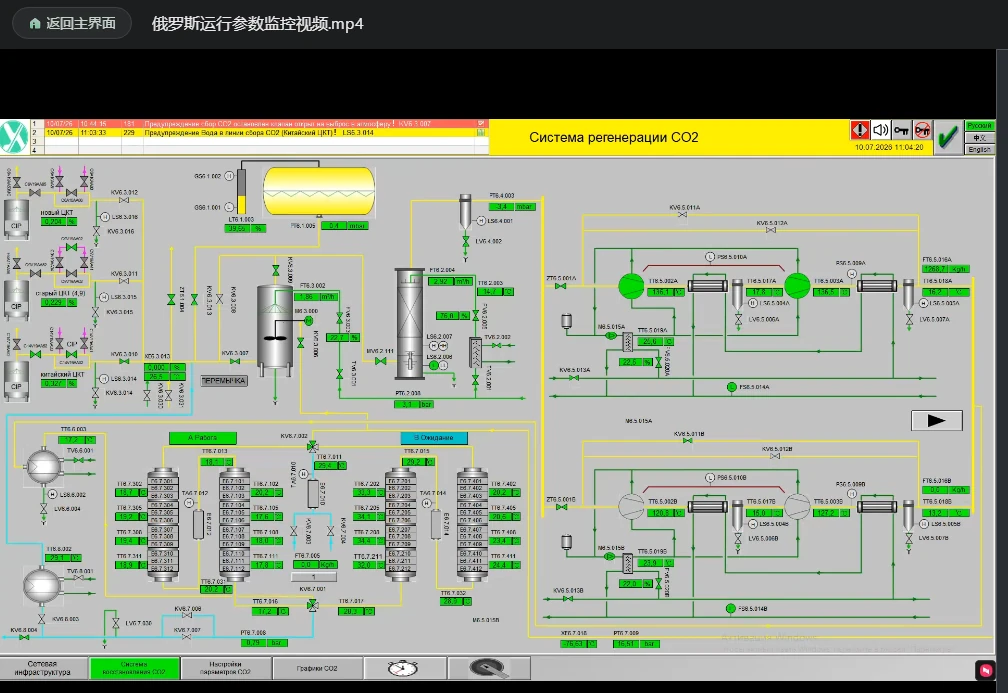
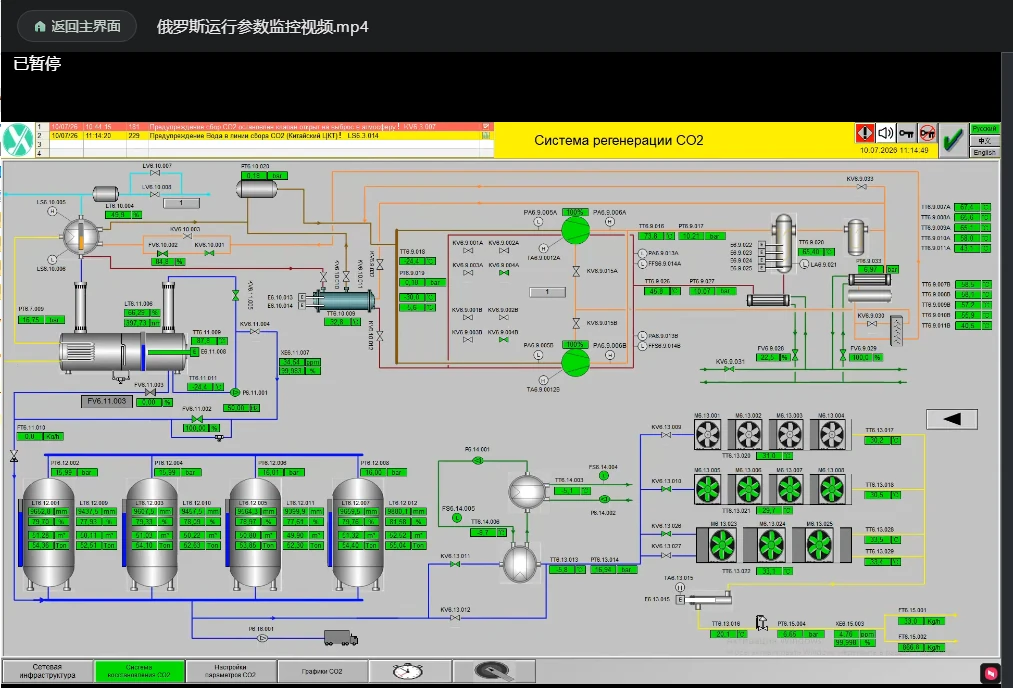
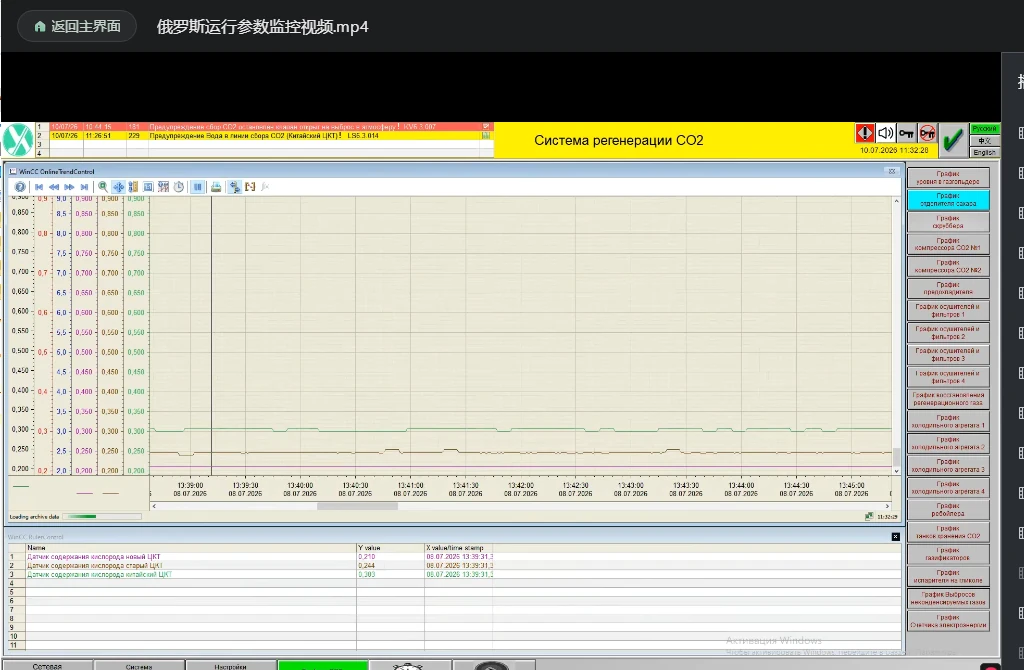
See the actual operator interface
Process overview and trend screens from our installation. Russian is the original operator language. Project-specific language, tag names, interlocks and access permissions are configured during engineering; the displayed readings are historical snapshots.
INSIDE THIS SUBSYSTEM
How it works in your plant.
How it works
We coordinate equipment sequences, operating states and operator displays through the selected control system. The design covers normal production, startup, planned stops and responses to interrupted gas or utilities.
System interfaces
Our control system connects the equipment units, plant instruments and the site’s existing control system through agreed signals and communication interfaces. Any required independent protective functions are defined separately in the engineering design.
Operation & maintenance
Provide operators with meaningful alarms, trends and event records. Handover includes agreed access roles, configuration backups, restoration information and training on the delivered screens.
What we need for selection
Equipment and instrument lists; control ownership; site communication standards; operator languages; record retention; access and backup requirements.
We confirm the equipment arrangement, utilities, inspection documents and acceptance criteria in your project proposal.
EXPLORE THE SYSTEM
Related process equipment.
PROCESS EQUIPMENT
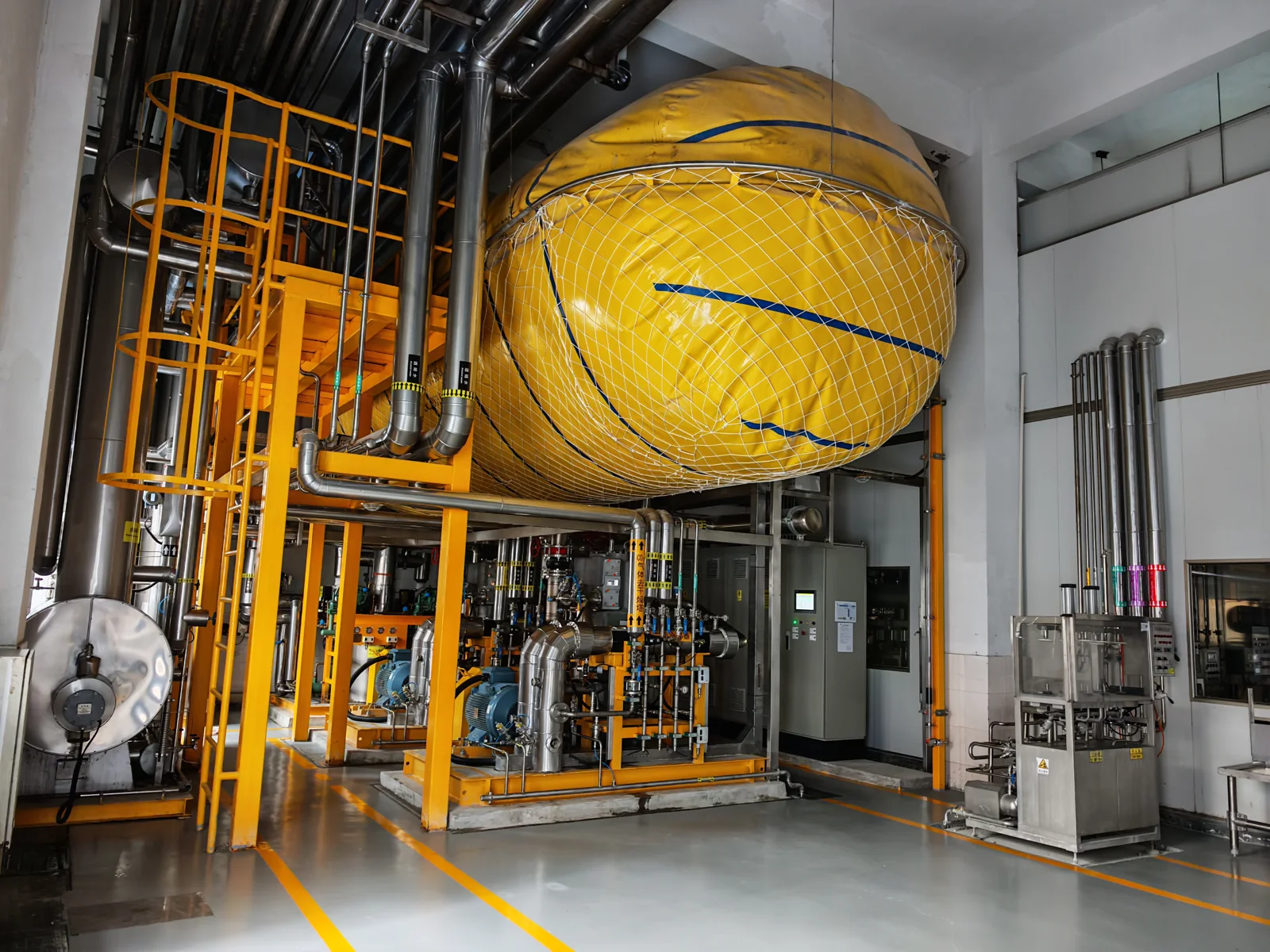
Gas collection & buffering
A collection system connects the source to the recovery train and smooths short-term variation.
Explore equipment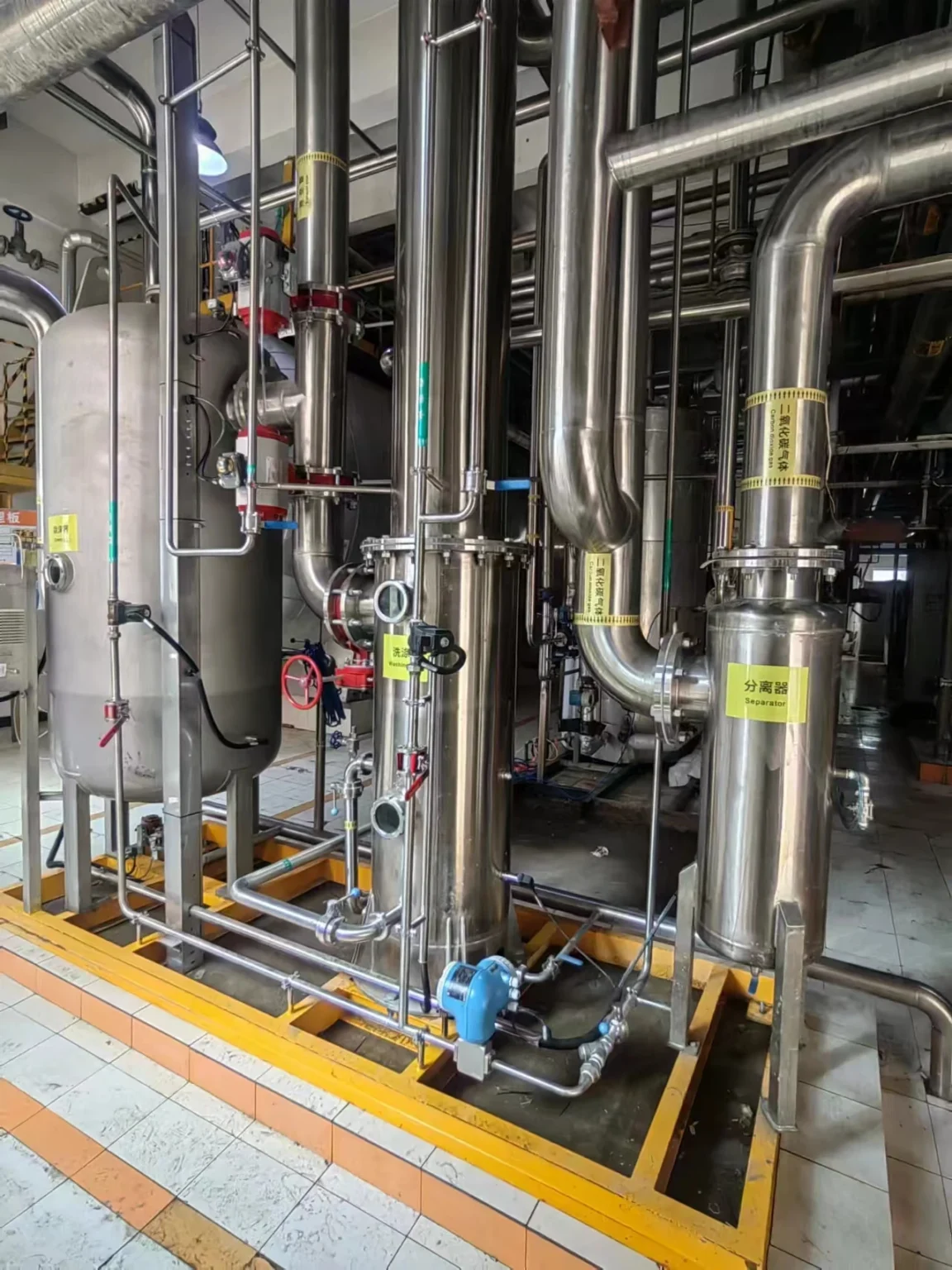
PROCESS EQUIPMENT
CO₂ washing & pretreatment
Washing and pretreatment address selected contaminants and entrainment before downstream processing.
Explore equipment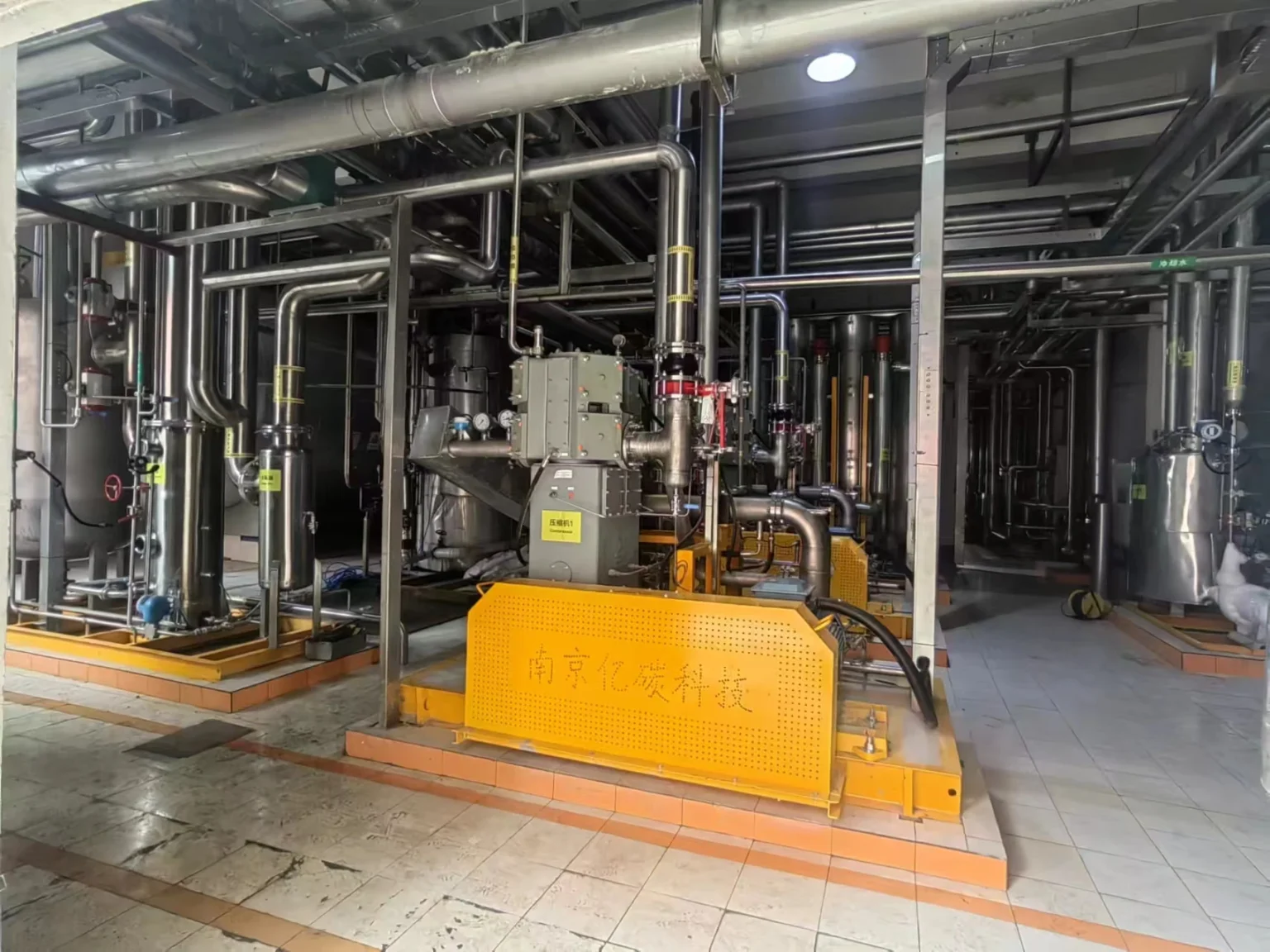
PROCESS EQUIPMENT
CO₂ compression systems
Compression establishes pressure for the selected purification and liquefaction route.
Explore equipmentTECHNICAL INSIGHT
Understand the design decisions.
Turn the process design into clear operating sequences
A DCS or coordinated process-control platform implements the operating philosophy across the recovery train. It connects equipment states, measurements and operator actions so the plant can move between agreed conditions consistently. The design should explain normal production, preparation for service, planned stops and the handling of interruptions without leaving the sequence to individual operators’ memory.
The important deliverable is the functional behavior, not the platform name alone. The chosen architecture should fit the plant’s size, equipment interfaces, availability objectives and maintenance organization. Packaged equipment with its own controllers still needs a clear interface to the overall plant control system.
Make plant status understandable
Operator displays should help users see the process state, material flow, storage condition and relevant quality signals. A useful overview connects these values instead of presenting isolated equipment screens. Detailed views then allow authorized users to inspect alarms, trends and equipment information when needed.
Alarm priorities and event records should reflect the operating response. A history of events can help distinguish a source interruption from a downstream equipment trip and support later review. The system specification should state the records, retention period and export capability that the owner expects to use.
Prepare for ownership after commissioning
Access roles, backups, software versions, configuration records and agreed restoration procedures are practical ownership requirements. The buyer should know what is included at handover and what support is available later. Training should use the delivered screens and operating descriptions so operators can connect documentation to the actual plant.
Give us the host control standards, required communication interfaces, operator languages and maintenance expectations during project definition. The resulting control scope can then coordinate instruments, packaged equipment and site systems around one documented operating philosophy. Process control and any required independent protective functions should be addressed through the qualified engineering design, with their responsibilities and interfaces stated clearly.
Questions for the technical review
Does a DCS label guarantee a more reliable plant?
No. Reliability depends on appropriate architecture, functional design, implementation, maintenance and the requirements of the actual application.
Can YTC equipment connect to an existing site control system?
The interface can be assessed when the site provides communication requirements, signal lists, control ownership and operating expectations.
START WITH YOUR SOURCE
Turn your CO₂ source into a defined project.
Send your gas analysis, flow profile, product target and project location. We will help connect the technical questions with a practical supply scope.
CONTINUE YOUR TECHNICAL REVIEW
Connect the specification with the evidence.
Relevant references
Review source, nominal capacity and the recorded supply scope.
Explore ↗ENGINEERING TOOLAssess your CO₂ source
Estimate recoverable quantity using visible assumptions.
Explore ↗BUYING GUIDEPrepare your specification
Define feed conditions, quality, utilities and acceptance before comparing proposals.
Explore ↗Additional operating screen