PROCESS EQUIPMENT
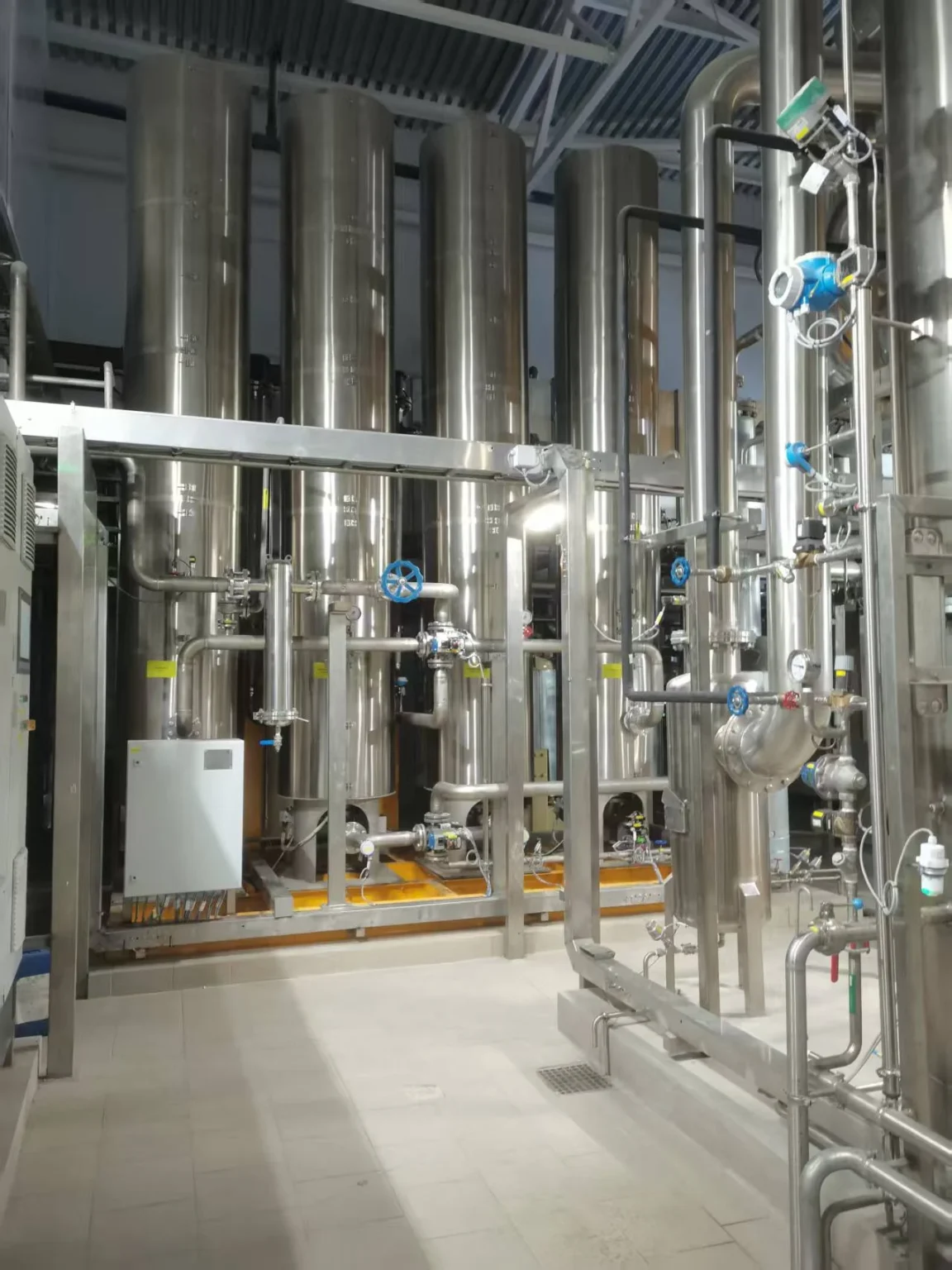
CO₂ Adsorption & Drying Unit
Drying controls water before cold processing and product delivery. Adsorbent selection and regeneration must suit moisture loading and other contaminants.
INSIDE THIS SUBSYSTEM
How it works in your plant.
How it works
We remove water vapor with selected adsorbent beds before cold processing. In a regenerating arrangement, one bed dries the gas while the other is regenerated and prepared for service.
System interfaces
The dryer receives gas after the specified upstream cooling and liquid separation. Regeneration, cooling and switching must fit the available utilities and keep the required outlet moisture level during the operating cycle.
Operation & maintenance
Monitor outlet moisture and record the measurement pressure. Also monitor pressure loss across the adsorbent bed and confirm that regeneration is complete. Check for liquid carryover and switching faults before assuming that replacing the adsorbent alone will restore performance.
What we need for selection
Inlet water content and temperature; flow range; outlet moisture requirement and reporting basis; regeneration utilities; required operating continuity.
We confirm the equipment arrangement, utilities, inspection documents and acceptance criteria in your project proposal.
EXPLORE THE SYSTEM
Related process equipment.
PROCESS EQUIPMENT
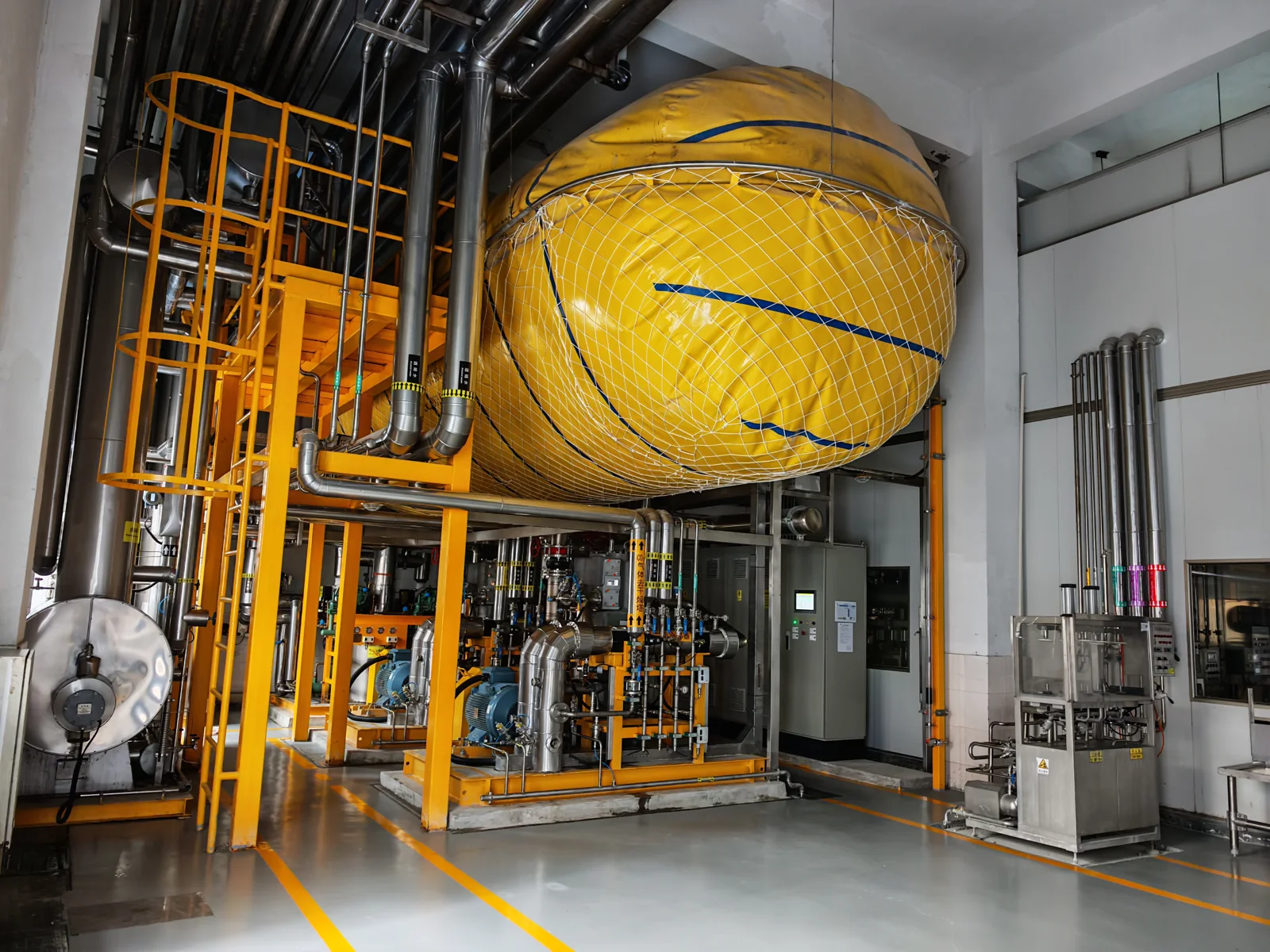
Gas collection & buffering
A collection system connects the source to the recovery train and smooths short-term variation.
Explore equipment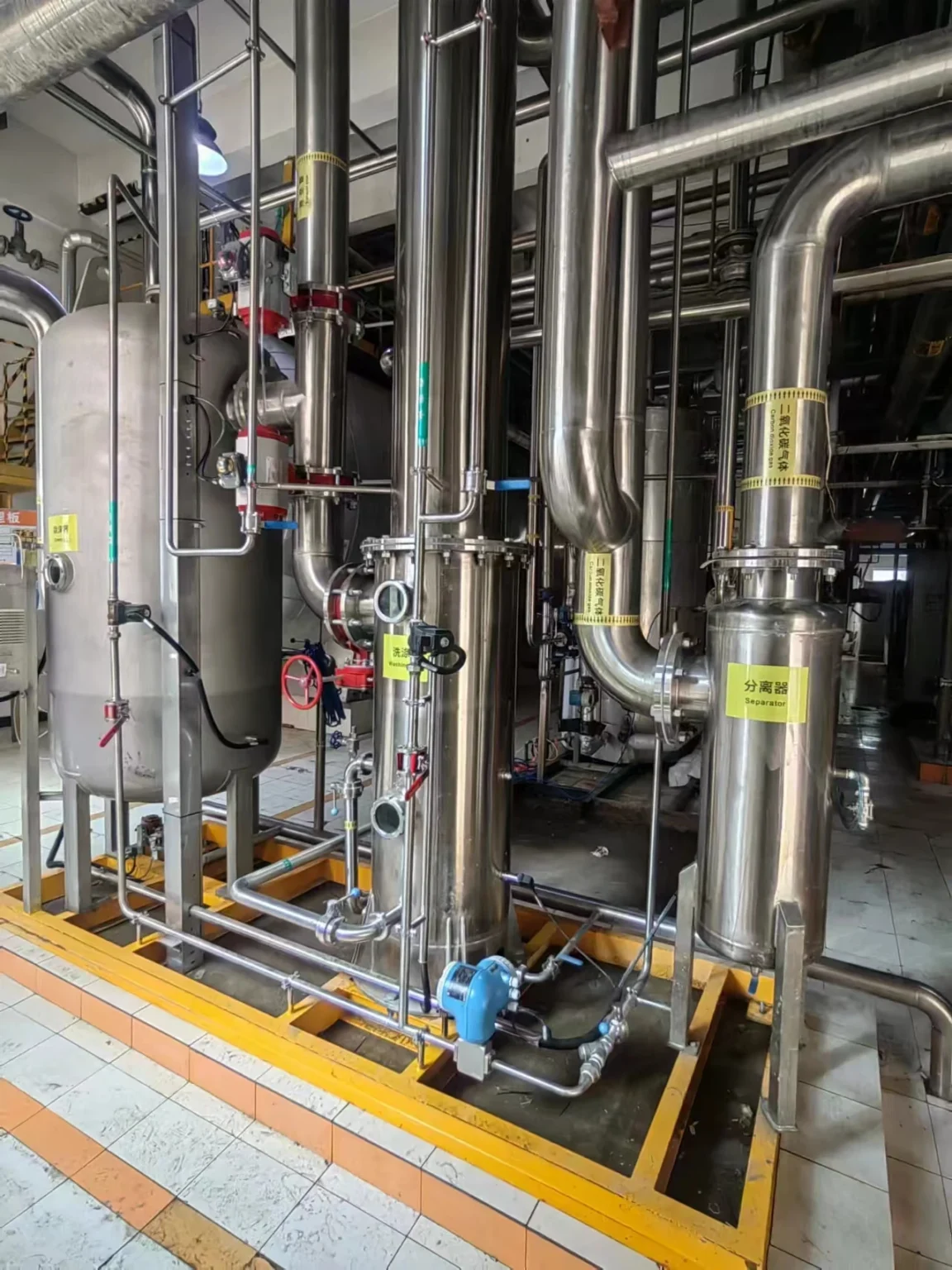
PROCESS EQUIPMENT
CO₂ washing & pretreatment
Washing and pretreatment address selected contaminants and entrainment before downstream processing.
Explore equipment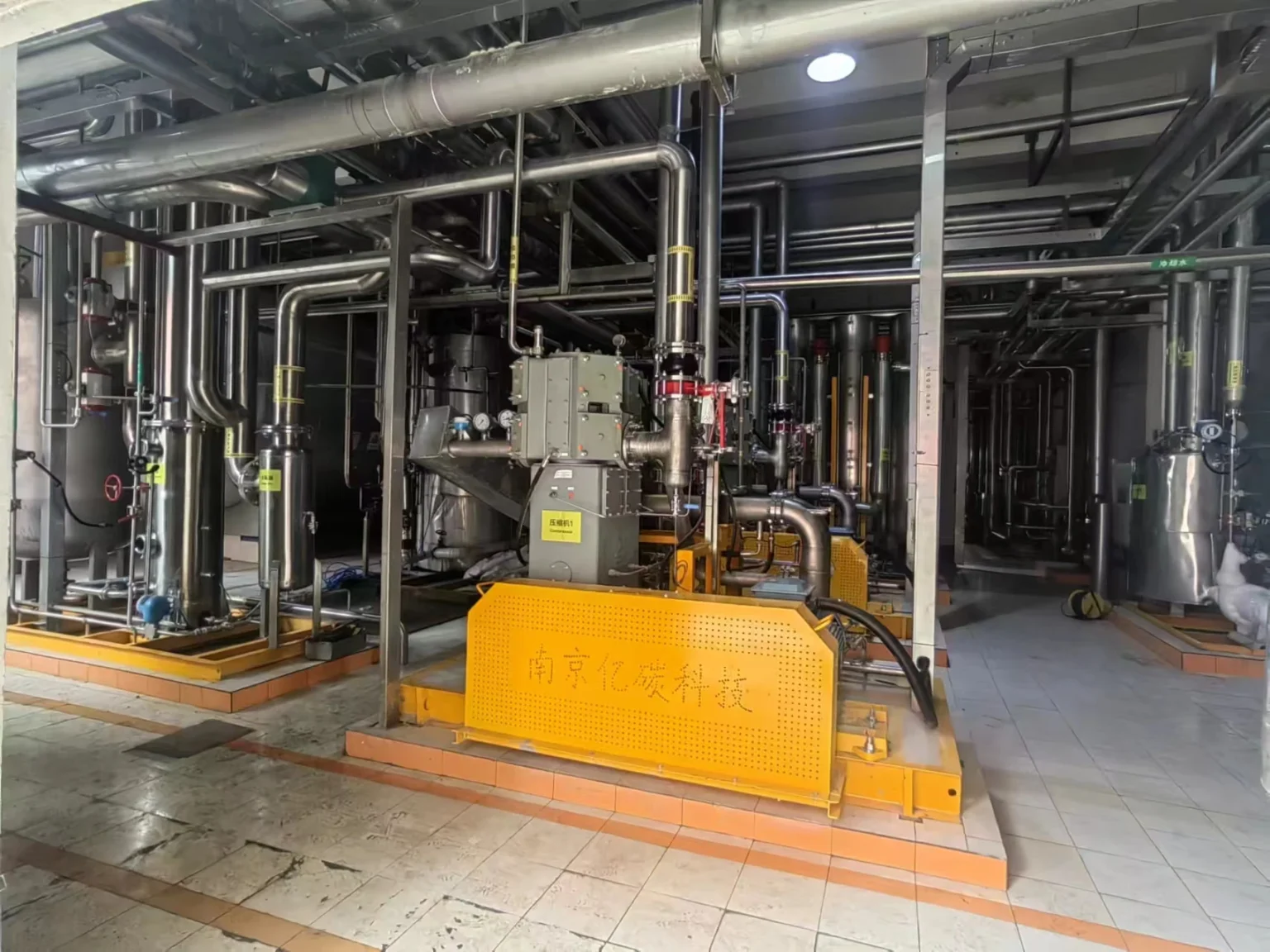
PROCESS EQUIPMENT
CO₂ compression systems
Compression establishes pressure for the selected purification and liquefaction route.
Explore equipmentTECHNICAL INSIGHT
Understand the design decisions.
Control water on a declared measurement basis
A CO₂ dryer removes water to meet the requirements of the cold process and the finished product. The inlet moisture loading is a mass duty, while an outlet specification may be expressed as water concentration or dew point. For a worked comparison, see how to compare CO₂ dew point and ppm at a stated pressure. An atmospheric dew point and a pressure dew point are not interchangeable labels.
The inlet temperature and the performance of upstream cooling and separation affect how much water reaches the adsorbent. A dryer sized without these conditions may appear adequate at one operating point but receive a different load during warm weather or an upstream change.
Match adsorption and regeneration as one cycle
Adsorption drying is a cyclic operation. A bed accumulates water during service and must be restored for a later cycle using the selected regeneration arrangement. The usable adsorption period, regeneration time and return-to-service condition need to fit together. Vessel volume alone does not establish the sustained drying duty.
Regeneration consumes resources and may affect the CO₂ balance. The proposal should state the utility and gas-consumption boundary, switching arrangement and how moisture performance is monitored. Source-related compounds can also influence adsorbent selection and life, so the full gas analysis matters even when the equipment is described mainly as a dryer.
Evaluate the outlet through operating changes
The acceptance discussion should cover relevant operating flow, inlet loading and measurement conditions. Monitoring during stable service is useful, while behavior around switching or restart can reveal issues that one isolated sample misses. Analytical reporting limits should be suitable for the required moisture specification.
We need the gas composition, inlet moisture basis, flow range, pressure, temperature and downstream requirement to define the drying scope. Include available regeneration utilities and planned operating hours. That connects adsorbent duty, cycle design and the cold-end requirements, giving the buyer a clearer comparison than an unspecified claim of very dry gas.
Questions for the technical review
Can dew-point readings from different pressures be compared directly?
No. Record the pressure and method with the reading, or convert on an appropriate validated basis before comparison.
Is the dryer independent of upstream cooling?
No. Cooling and liquid separation change the water load delivered to the dryer and therefore affect its required duty.
START WITH YOUR SOURCE
Turn your CO₂ source into a defined project.
Send your gas analysis, flow profile, product target and project location. We will help connect the technical questions with a practical supply scope.
CONTINUE YOUR TECHNICAL REVIEW
Connect the specification with the evidence.
Relevant references
Review source, nominal capacity and the recorded supply scope.
Explore ↗ENGINEERING TOOLAssess your CO₂ source
Estimate recoverable quantity using visible assumptions.
Explore ↗BUYING GUIDEPrepare your specification
Define feed conditions, quality, utilities and acceptance before comparing proposals.
Explore ↗